Transmission Line Design
Getting power across hard country, from routing to stringing.
- Discipline
- Engineering Services
- Codes & tools
- NESC · RUS bulletins · PLS-CADD workflows · IEEE
- In-house since
- 1979
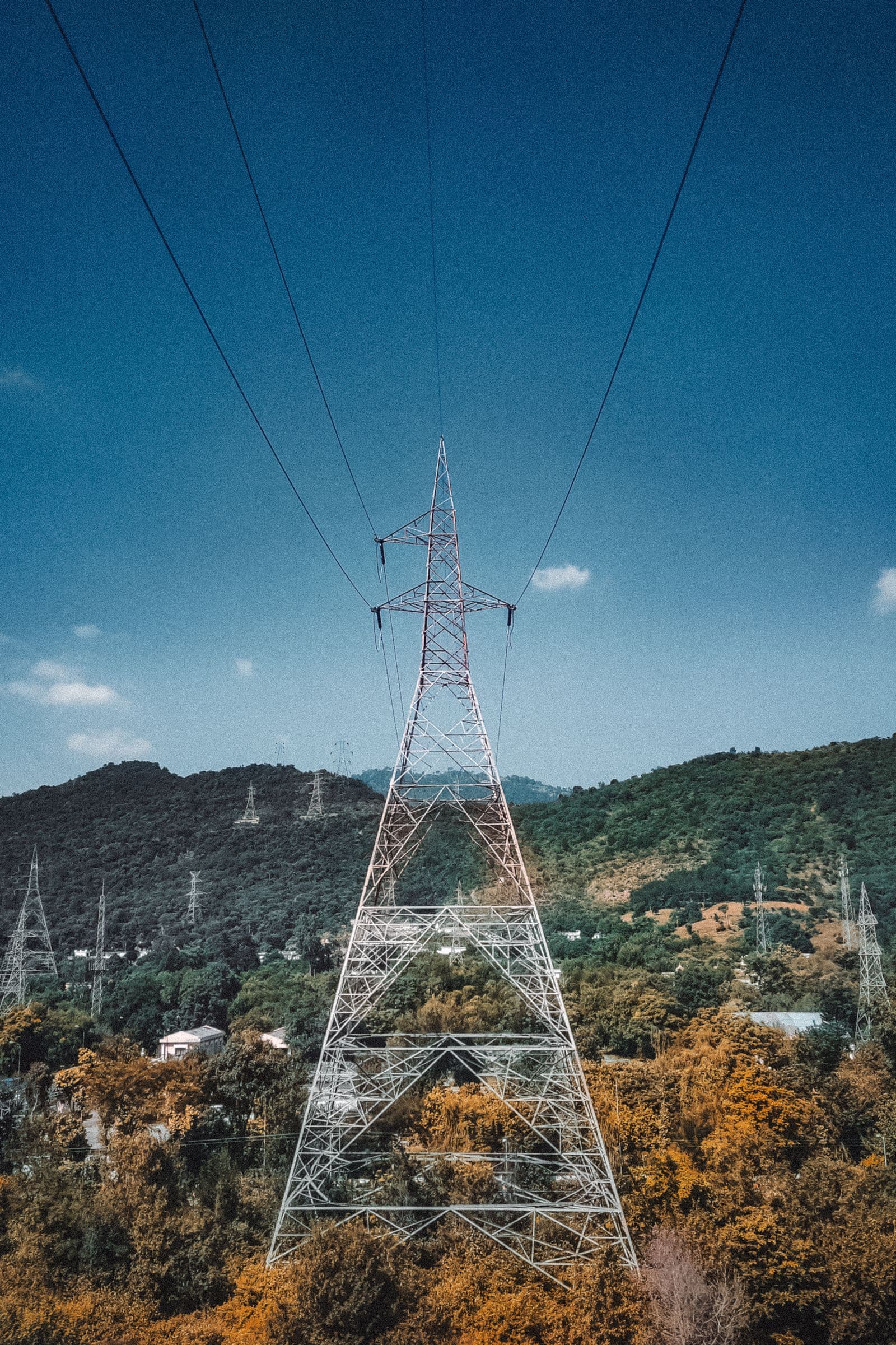
Transmission work in the Intermountain West means real terrain: canyon crossings, wind and ice loading, rocky foundations, and long spans between anything resembling a road. ICPE has engineered high-voltage lines in this country for decades, for utilities, cooperatives, and industrial customers who need firm power delivered to remote sites.
ICPE handles the full arc of a line project: route evaluation, structure and conductor selection, sag-tension and loading calculations, foundation design with the structural group, and construction support through energization.
Routing is where a line project is won or lost. ICPE walks the alternatives against terrain, land ownership, construction and maintenance access, and the environmental constraints that will set the permitting schedule, then prices the tradeoffs so the owner chooses with numbers rather than preferences.
From there the engineering is exacting and unglamorous: loading by NESC district and elevation, clearances checked against the ground that is actually there, structures spotted where a crew can physically build them, and foundations designed with the structural group for the rock or soil the geotech found. The package has to be stringable, not just approvable.
Scope of services
Issued documents
Need transmission line design? Let's talk specifics.
Send the scope, the site, and the schedule. A principal engineer will say straight out whether ICPE is the right firm for it.